
Arthritis of the Foot and Ankle Care
Managing arthritis pain in your feet and ankles so you can stay mobile, active, and independent as you age.
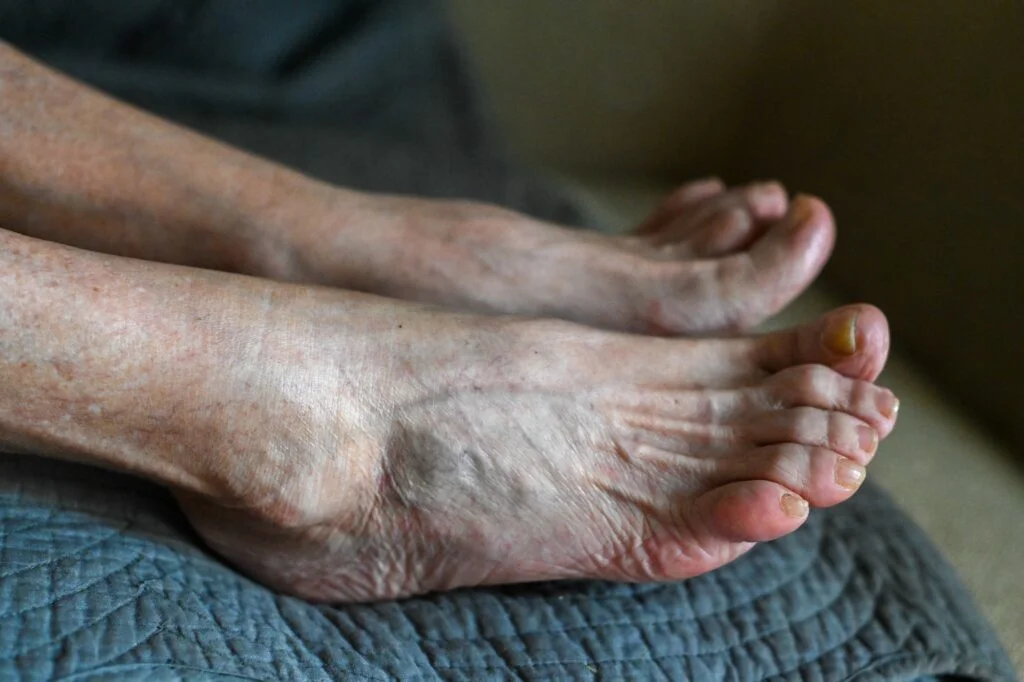
What You Need To Know About Arthritis
Understanding how arthritis affects your feet and what treatment options are available.
Understanding Arthritis of the Foot
Arthritis is a disabling and occasionally crippling disease afflicting almost 40 million Americans. It is an inflammation and swelling of the cartilage and lining of the joints, generally accompanied by an increase in the fluid in the joints. If the feet seem more susceptible to arthritis than other parts of the body, it is because each foot has 33 joints that can be afflicted, and there is no way to avoid the pain of the tremendous weight-bearing load on the feet.
Several types of arthritis can affect the foot and ankle. Osteoarthritis, the most common form, is frequently called degenerative joint disease or wear and tear arthritis. Rheumatoid arthritis is a chronic autoimmune disease where the immune system attacks the tissue covering the joint, causing damage to cartilage and bone. Gout is caused by a build-up of uric acid crystals in the big toe and other joints. Arthritis can also result from trauma such as fractures and dislocations.
Common symptoms include early morning stiffness, limitation in motion of a joint, recurring pain or tenderness, redness or heat, skin changes, and swelling in one or more joints. You may also notice pain with motion, joint warmth, and difficulty walking.
Aging, daily wear and tear, and injury are common causes. People over 50 are the primary targets, and overweight individuals are particularly susceptible to osteoarthritis. If you notice ongoing joint pain or stiffness in your feet, schedule an evaluation so we can confirm the diagnosis and begin a treatment plan.
Treatment and Recovery Options
There is no cure for arthritis, but once we have confirmed our diagnosis we can help you manage your arthritis to relieve your discomfort. Custom-fitted orthotics can ease pain and minimize pressure on the foot. Reducing excess weight relieves joint stress, and switching to low-impact exercise like swimming or biking can help protect your joints. Physical therapy can increase range of motion, flexibility, and muscle strength, while anti-inflammatory medication helps relieve inflammation.
If your symptoms are mild, medications may be enough to reduce pain and swelling. Your doctor may prescribe pills or injections to limit pain and swelling. Ice, aspirin, or ibuprofen may help relieve mild symptoms that occur after activity.
For more severe arthritis, surgery may be needed to improve the condition of the joint. If the bone is not damaged too badly, your doctor may simply shave away bone spurs. Any excess growth related to a bunion may also be trimmed. If damage is more severe, your doctor may fuse the joint to prevent the bones from rubbing, using staples or screws to hold the bones in place.
During early recovery, your foot is likely to be bandaged and immobilized for a while. For surgery on the big toe, your foot may be splinted for several weeks, though you should be able to walk soon after. For rear or midfoot joints, you may need a cast or surgical shoe, and full recovery may take a few months. Follow-up visits help ensure that your foot heals properly.
Arthritis Foot and Ankle Care Near You
Find a Precision Foot and Ankle Centers location offering arthritis care close to home.


Don’t let arthritis pain keep you from the activities and people you love.
We’ll help you build a plan to manage your symptoms and stay on your feet.