
Preventive Foot and Ankle Screenings
Routine foot screenings help catch problems early, keeping you comfortable, mobile, and steady on your feet.

What You Need To Know
A quick overview of preventive foot screenings and why they matter.
Preventive Screenings for Healthy Feet
Preventive foot and ankle screenings are routine check-ups designed to identify small problems before they turn into painful or limiting conditions. During a screening, a podiatrist evaluates the skin, nails, circulation, nerve function, alignment, and gait to look for early warning signs that might otherwise go unnoticed.
Many foot problems develop gradually. Calluses, thickened nails, dry or cracked skin, numbness, tingling, swelling, and changes in the shape of the foot can point to underlying issues such as poor circulation, nerve changes, arthritis, or biomechanical imbalance. Catching these signs early gives patients more treatment options and better long-term outcomes.
Screenings are especially important for people living with diabetes, peripheral artery disease, neuropathy, or arthritis, as well as older adults, athletes, and anyone who spends long hours on their feet. You should also consider a visit if you notice persistent pain, changes in skin color or temperature, slow-healing wounds, or shoes that no longer fit comfortably.
At Precision Foot and Ankle Centers, screenings begin with a conversation about your history and daily activity, followed by a hands-on exam and any imaging needed. From there, your provider will outline a simple plan to keep your feet healthy or address anything that needs attention.
Supportive Care and Pain Relief Options
When a screening or follow-up visit reveals foot or ankle pain, our practice offers a range of non-opioid treatment options that can be used on their own or alongside preventive care. These approaches focus on reducing pain, calming inflammation, and supporting the body’s natural healing process.
Acupuncture involves inserting extremely fine needles into the skin at specific points on the body, which may relieve pain by releasing endorphins. Biofeedback is a machine-assisted technique that helps people take control of their own body responses, including pain. Corticosteroid injections, used occasionally, can relieve pain and inflammation caused by arthritis, sciatica, and other conditions. Assistive devices such as splints, braces, canes, walkers, and shoe orthotics can support painful joints and relieve pressure on irritated nerves.
Physical therapy helps restore your ability to move and walk, while occupational therapy improves your ability to perform daily activities. Therapeutic massage may relieve pain by relaxing muscles, tendons, and joints. TENS uses a mild electrical current to block pain signals, iontophoresis drives medications into painful areas, ultrasound improves circulation and healing, and cold laser therapy is FDA-approved to treat pain.
Your provider will help you choose the combination of therapies that best fits your condition, your goals, and your daily life.
Find Preventive Screenings Near You
Preventive foot and ankle screenings are available at each of our convenient locations.
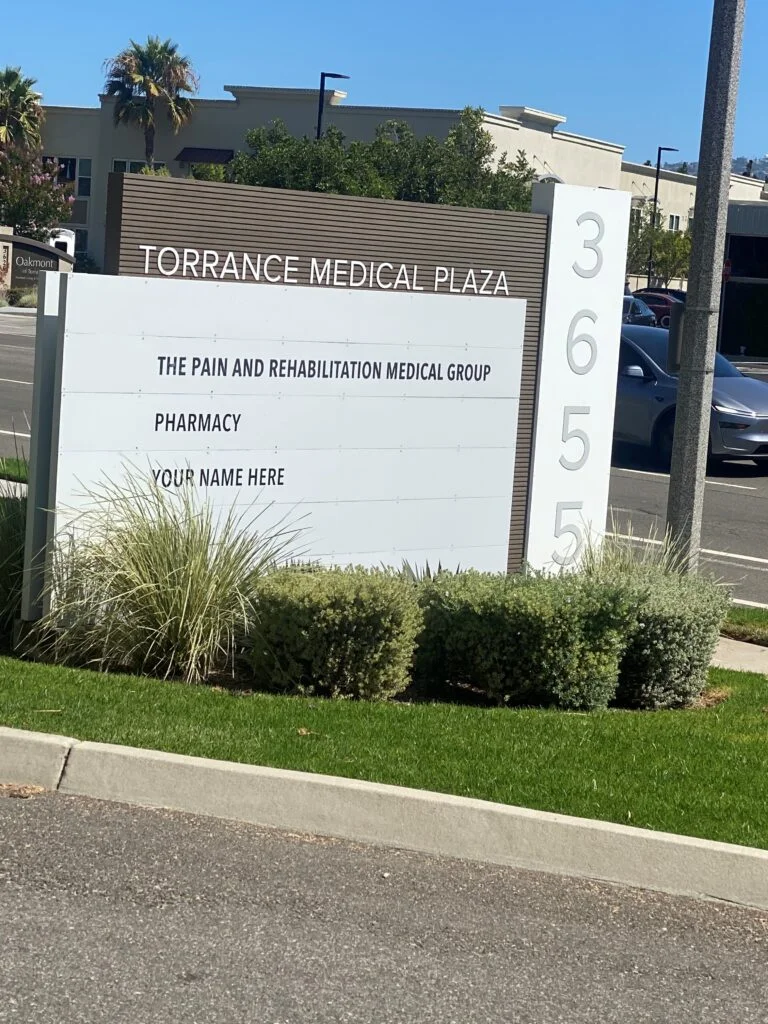
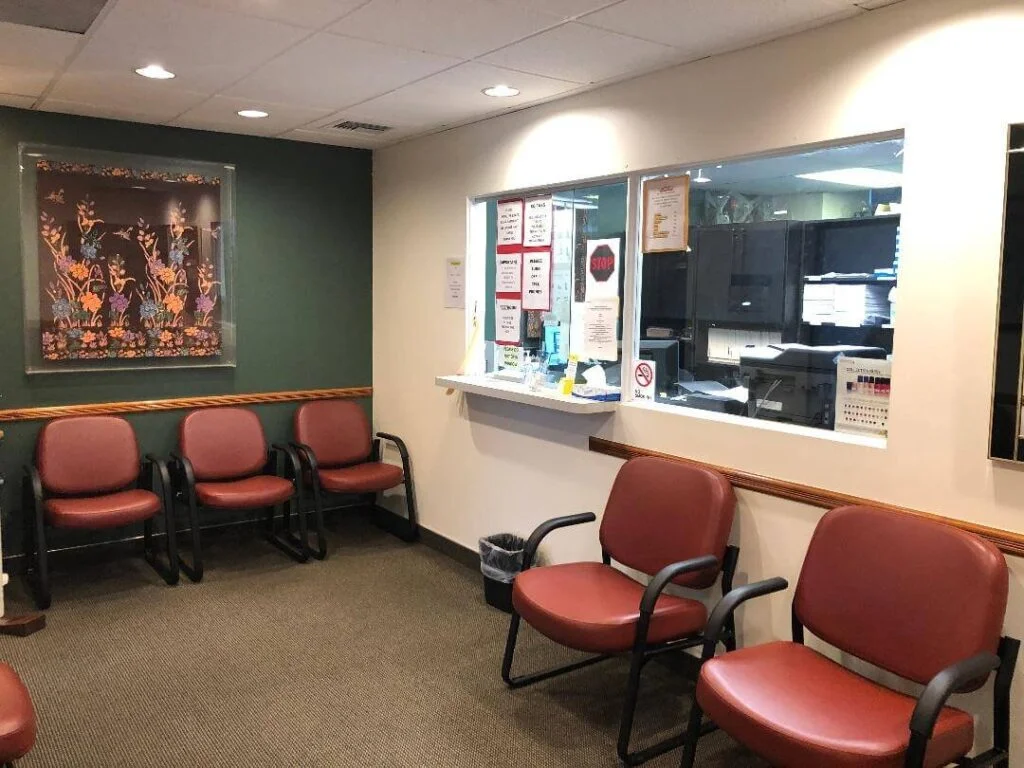
Stay ahead of foot problems with a screening that’s quick, thorough, and easy to schedule.
Book today and let’s keep your feet healthy for the long run.